Film
From the scale of space to subtle emotions—and then to the other side of the camera.
Eight times, and counting.
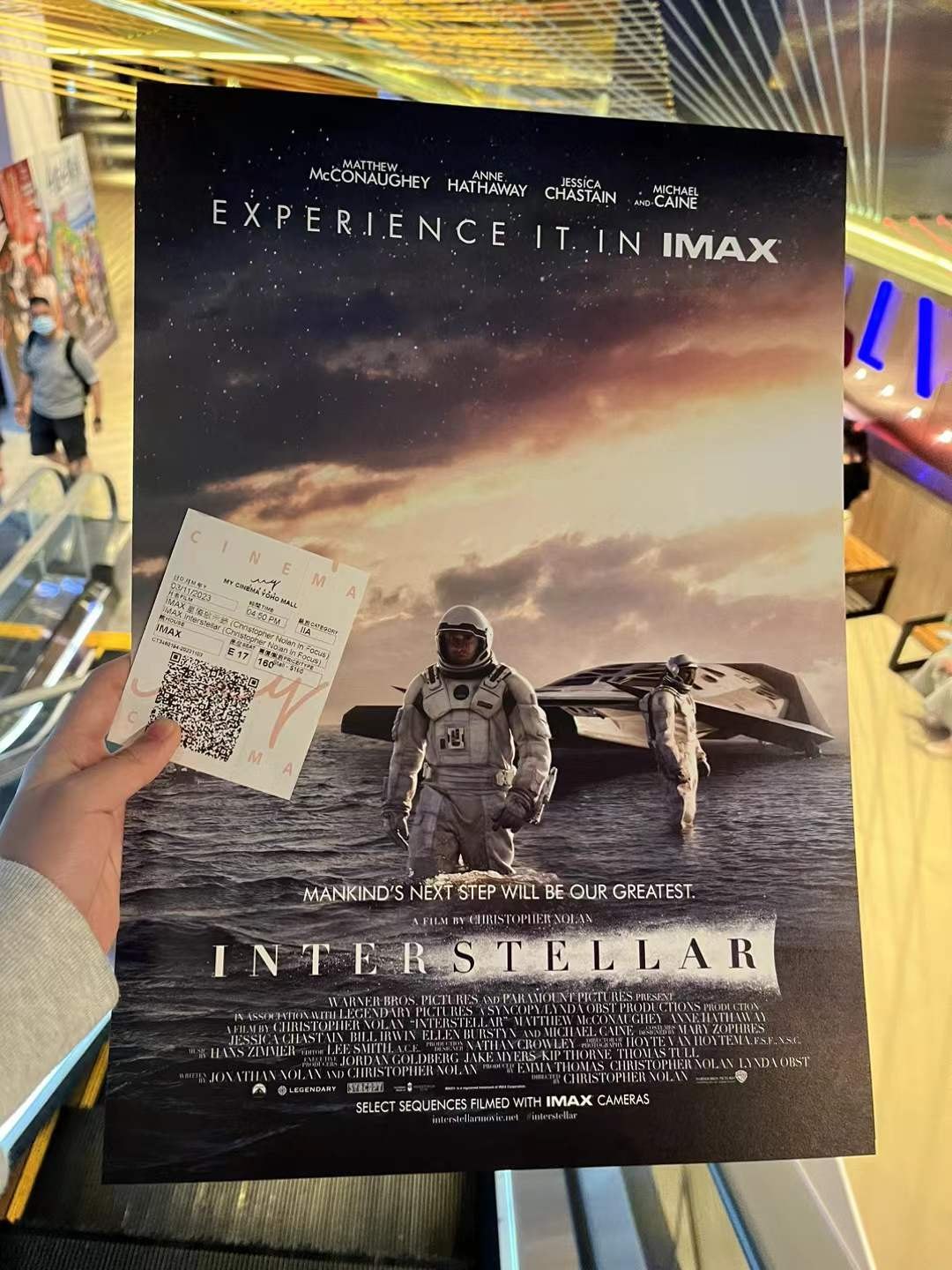
I’ve watched Interstellar eight times. The tiny spacecraft against that enormous ringed planet stayed with me. I used to think the scale of space would make our lives feel insignificant. Instead, it made me feel lucky that we get to be here at all.
There is something exciting about matter coming together into planets, and into us—and about getting a chance to experience any of it. That curiosity began with the book What If? when I was ten, partly because I could not understand much of it. Not understanding made me want to keep looking.
After the film, I found myself trying to understand gravitational time dilation and how the film imagines a fifth dimension. A movie had sent me off with questions I would not otherwise have thought to ask.
The smaller things
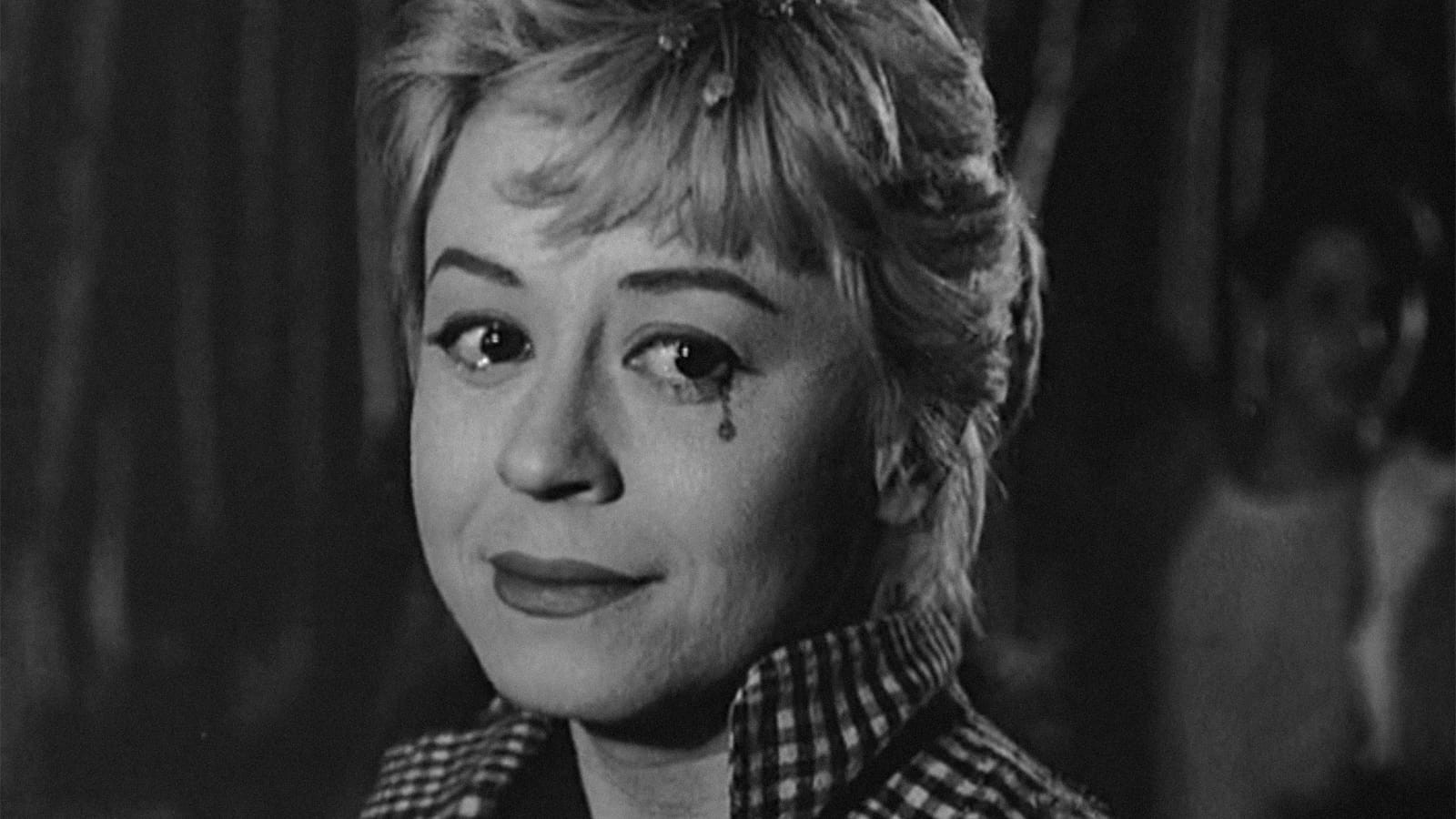
The more films I watched, the more I noticed how they hold subtle emotions. In Nights of Cabiria, I was moved by the way vulnerability and resilience can coexist in one person. I like that a character does not need to become simpler for us to care about her.
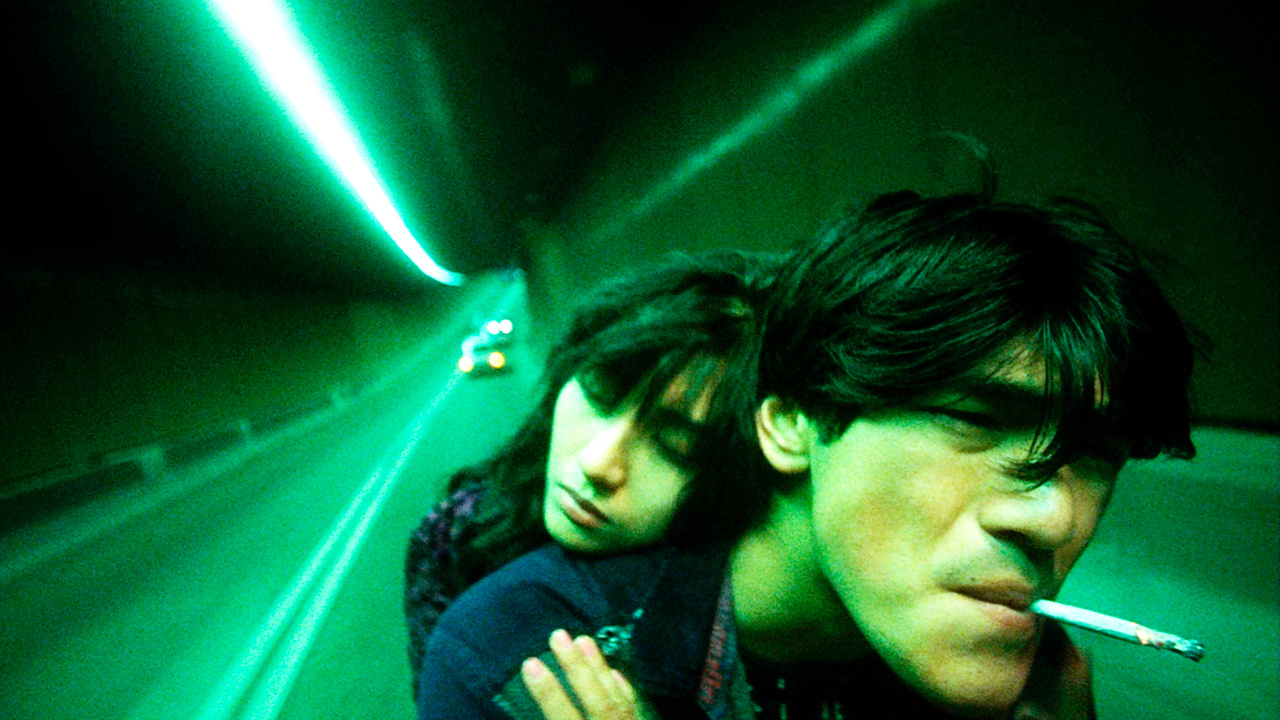
Fallen Angels made me pay attention to the camera itself: tilted and rotating shots and the distortion of an ultra-wide lens. At first, it simply felt cool—fitting for a killer. Then I began to feel how that compressed, distorted space could express the pressure on people living on the margins of Hong Kong’s crowded urban life.
These are the choices I want to understand better: how a way of filming can become a way of feeling.
Learning on set
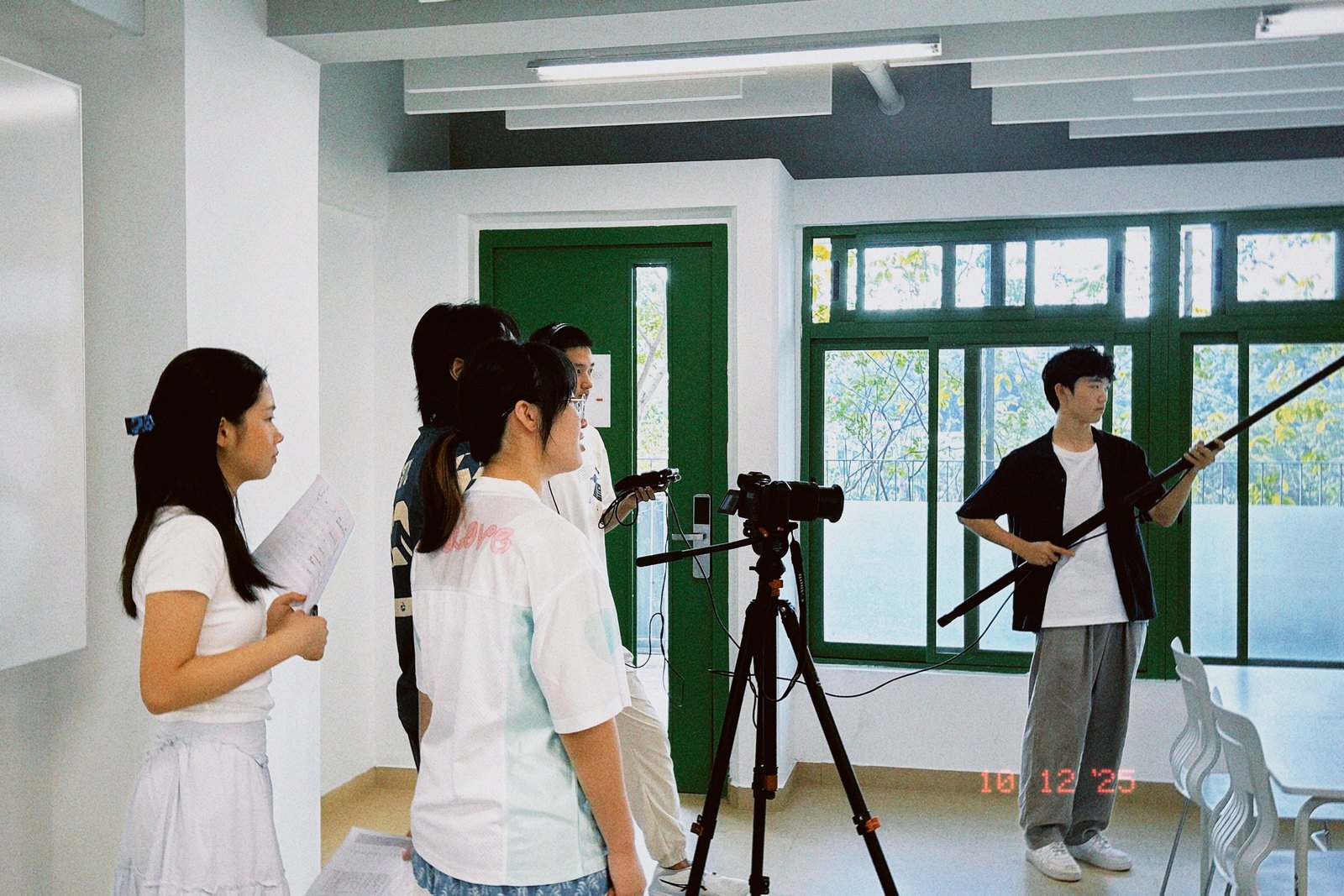
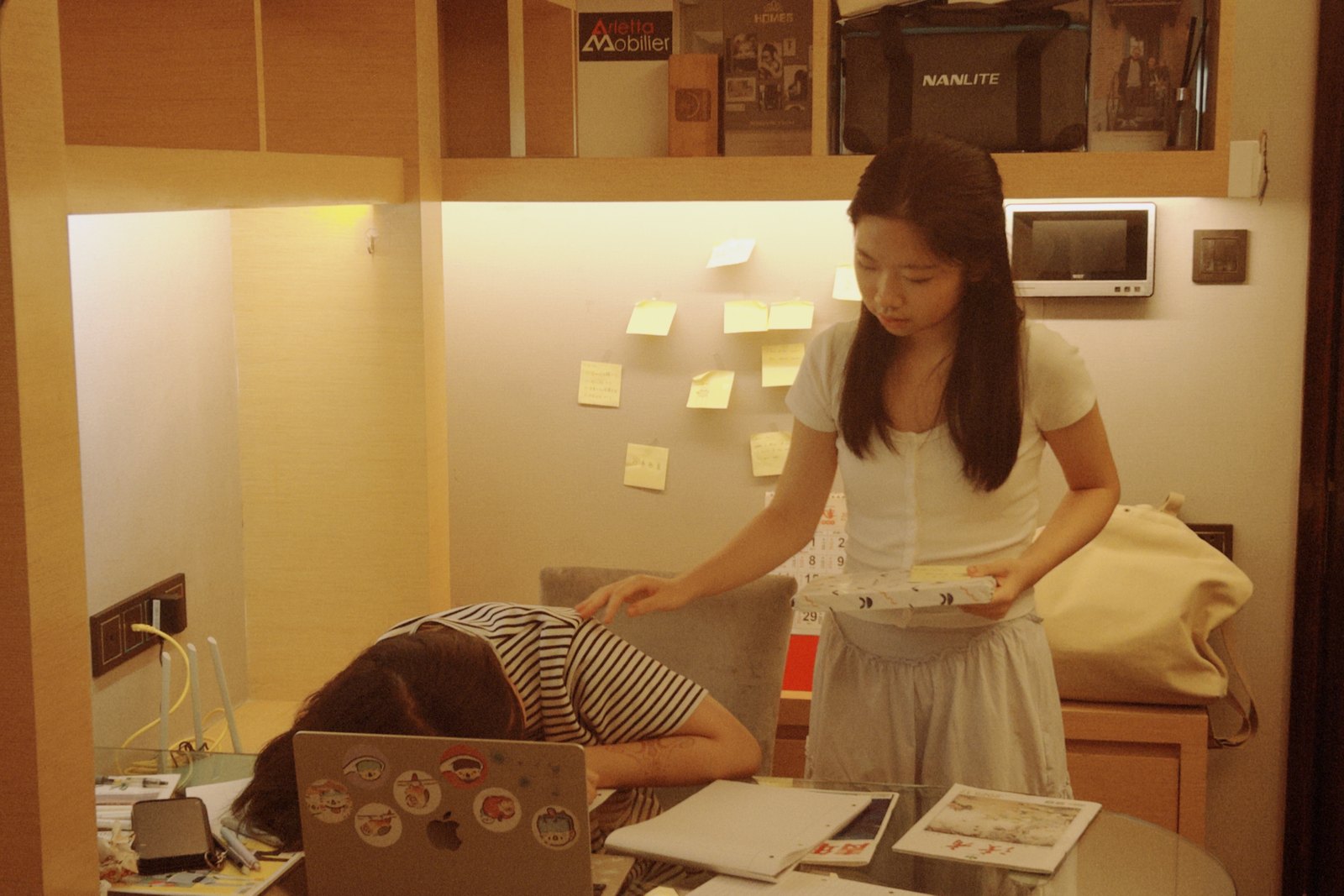
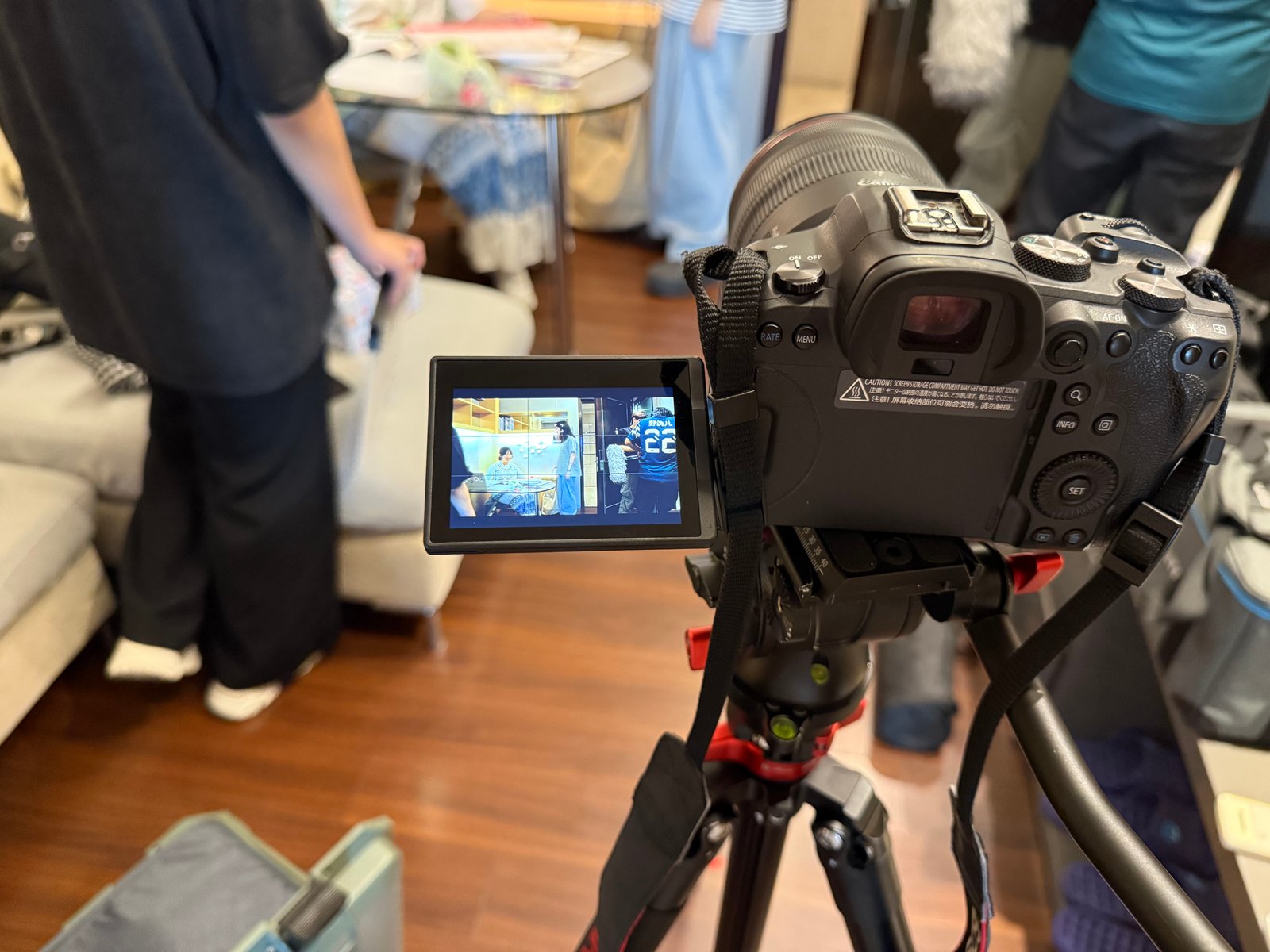
At Bacamera, I’ve worked in script supervision and on the sound crew. Keeping track of shots, scenes, and takes, and paying attention to what a microphone hears, lets me explore film through the work that holds a scene together.
I’m also developing my photography, editing, and playwriting skills. Directing my own short film is a next step.